



What To Do After Buying a Used Car?
Buying a used car is a big win—but what you do after the sale matters just as much as the deal you got. Whether you bought from a dealership or a private seller, the right next steps can protect your investment and keep you safe on the road.
Here’s what to do after buying a used car: transfer the title, register the vehicle, secure insurance, schedule a full inspection, change key fluids, check tire and brake condition, organize paperwork, and follow the maintenance schedule to ensure long-term reliability.
These simple but important actions set the tone for years of stress-free driving. As a trusted local resource for Georgia drivers, we’ve helped thousands of customers stay road-ready after driving off the lot.
Let’s walk through your step-by-step post-purchase checklist, from legal must-dos to smart maintenance moves—so you can drive with confidence starting now.
- Start with paperwork and protection – Transferring the title, registering your car, and setting up insurance are critical legal steps that should be handled immediately.
- Inspect and maintain early – A post-purchase inspection, oil change, and tire check can help you catch issues early and avoid expensive surprises down the line.
- Plan for long-term success – Keeping organized records, following the owner’s manual, and avoiding common new-owner mistakes will help protect your car’s value and performance.
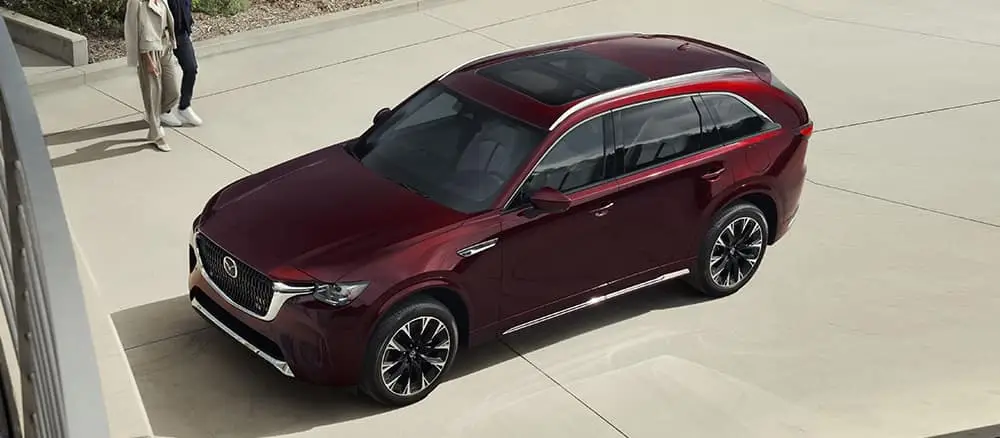
Your Post-Purchase Checklist: What to Do After Buying a Used Car
Feeling unsure about next steps after driving off the lot? This quick, reliable checklist covers everything you need to do after buying a used car—from title transfer to tire pressure checks—so you don’t miss a beat.
Used Car Post-Purchase Checklist
☐ Transfer the Title
Make sure the title is signed over properly and submit it to your local DMV.
☐ Register Your Vehicle
Bring the required documents (title, ID, proof of insurance, emissions test, etc.) to register your car.
☐ Get Insurance Coverage
Add the vehicle to your existing policy or start a new one before driving.
☐ Schedule a Full Vehicle Inspection
Have a trusted mechanic inspect the engine, brakes, suspension, and major components.
☐ Change the Engine Oil and Filter
Start fresh with clean oil to protect engine health.
☐ Check Fluid Levels
Inspect and top off brake fluid, coolant, power steering fluid, and windshield washer fluid.
☐ Inspect Tires and Brakes
Check tire tread depth, air pressure, and brake pad wear. Replace if needed.
☐ Read the Owner’s Manual
Learn your vehicle’s service schedule and features.
☐ Keep All Paperwork Organized
Store title, registration, insurance, and inspection reports in one place.
☐ Stock Basic Tools and Emergency Gear
Include a spare tire, jack, jumper cables, and basic hand tools.
☐ Clean and Refresh the Interior
Shampoo carpets, clean vents, and consider replacing old upholstery if needed.
☐ Apply Paint or Ceramic Protection
Shield the exterior from weather damage and improve resale value.
☐ Monitor Tire Pressure Weekly
Especially during season changes or long drives.
☐ Avoid Engine Damage
Let your car idle for 30–60 seconds before driving to allow fluids to circulate.
What Smart Owners Know (That Most People Miss)
Getting the keys is just the beginning—how you care for your used car in the first 30 days sets the tone for its long-term reliability and performance. Don’t just react to problems—be proactive.
For example, something as simple as replacing worn wiper blades or updating your car’s emergency kit can save you stress when unexpected weather or breakdowns hit.
If you’re buying from a reputable dealership like Mall of Georgia Mazda, chances are your car has already passed a basic inspection—but independent verification offers peace of mind and often uncovers minor issues worth addressing early. Keeping a file of your early receipts and inspection reports not only helps with warranty claims—it also boosts your resale value down the road.
Local tip: In Buford and the surrounding areas, emissions requirements and insurance minimums may vary, so double-check your county-specific DMV rules. The more organized and informed you are now, the smoother your ownership experience will be.
Transfer the Title and Register Your Vehicle Promptly
Getting your used car legally in your name is step one—and in Georgia, it comes with a clock. You typically have 30 days to complete your title transfer and registration before facing late fees or fines.
Counties like Gwinnett (Buford), Hall (Gainesville), and Clarke (Athens) may have slightly different tag office requirements, so it’s best to double-check. Handle it early to avoid stress and keep your new ride street legal.
- Gather required documents: Signed title (with odometer reading), bill of sale, valid ID, proof of insurance.
- Visit your local county tag office: Fees vary, and some counties may require emissions test results.
- Complete Georgia Form MV-1: This application is required for both titling and registering your vehicle.
- Pay the Title Ad Valorem Tax (TAVT): Georgia calculates this based on fair market value, not purchase price.
- Receive your registration and plates: You’ll either get permanent plates or a temporary one while the paperwork processes.
Delaying title transfer is one of the most common pitfalls for first-time buyers. It can impact insurance, registration, and even your ability to sell or trade the car later. Handle it early and keep a copy of everything.

Schedule a Post-Purchase Inspection and Handle Basic Maintenance
Even if the car came with an inspection report, get your own mechanic to check it out. That second opinion could uncover minor issues that affect safety or comfort—especially important on older vehicles.
Georgia’s mix of heat, humidity, and backroads can take a toll on tires, suspension, and undercarriage parts. Don’t rely on the previous owner’s habits—start fresh and take control of your maintenance baseline.
What to Include in Your Post-Purchase Inspection:
| Component | Why It Matters | Dealership Notes |
| Engine & Transmission | Detects wear, leaks, or shifting issues | Even low-mileage cars can hide issues not visible during a test drive |
| Brake System | Ensures safety and responsiveness | Uneven wear or soft pedals can signal bigger problems down the road |
| Suspension & Steering | Improves comfort and control | Georgia roads can be rough—check for worn shocks or tie rods in older vehicles |
| Tire Condition | Affects traction, handling, and fuel economy | Don’t just eyeball it—ask for age, alignment status, and match brand pairs |
| Electrical System | Battery, alternator, and lights all checked | Electrical issues are common in used cars—small problems can become big expenses |
| Undercarriage | Rust, damage, or leak detection | Cars from out-of-state or flood-prone areas may hide rust damage underneath |
Print and save your inspection results— they help with future warranty claims, service planning, and even resale value. Some buyers even laminate theirs for glove box storage.
Set Yourself Up for Long-Term Success as a Used Car Owner
Smart car ownership starts with good habits from day one. Read your vehicle’s manual to learn the exact maintenance intervals, fluid types, and warning lights for your make and model. Building out your emergency kit and keeping your paperwork clean might feel minor, but they’re often what separate a smooth ride from a costly surprise.
In Georgia cities like Cumming and Atlanta, where traffic and temperature swings are common, thoughtful prep can make a big difference in vehicle longevity.
- Set maintenance reminders: Use your phone calendar or a vehicle app to stay on top of oil changes, tire rotations, and fluid checks.
- Store important paperwork: Keep your title, insurance documents, registration, and inspection reports in one place (physical and digital).
- Equip an emergency kit: Include jumper cables, flashlight, first-aid kit, multi-tool, and tire inflator.
- Let your car idle 30–60 seconds before driving: This allows engine fluids to circulate properly—especially important in cold starts.
- Account for Georgia’s driving conditions: Seasonal pollen, summer heat, and Atlanta traffic all call for proactive tire and fluid care.
Most costly breakdowns aren’t random—they’re preventable. Starting with a maintenance mindset keeps your car on the road and out of the shop.
Frequently Asked Questions
What Documents Do I Need To Transfer My Used Car Title In Georgia?
To successfully transfer your used car title in Georgia, you’ll need the signed title with odometer reading, a bill of sale, valid identification, and proof of insurance coverage. You’ll also need to complete Georgia Form MV-1 for both titling and registering your vehicle. Remember, you have 30 days to complete this process in counties like Gwinnett (Buford) before facing late fees, so it’s important to handle this step promptly after your purchase from Mall of Georgia Mazda.
Should I Get My Used Mazda Inspected Even If The Dealership Already Checked It?
Yes, scheduling an independent post-purchase inspection is always recommended, even when buying from a reputable dealership like Mall of Georgia Mazda. While our certified pre-owned Mazdas undergo comprehensive multi-point inspections, having your trusted mechanic perform an additional check provides peace of mind and often uncovers minor issues worth addressing early. This second opinion can detect wear on components like brakes, suspension, and electrical systems that might not be visible during a standard test drive, especially important given Georgia’s mix of heat, humidity, and challenging road conditions.
What Maintenance Should I Do First After Buying My Used Car?
Start with an oil and filter change to establish a fresh maintenance baseline, then check all fluid levels including brake fluid, coolant, power steering fluid, and windshield washer fluid. Inspect your tires for proper tread depth and air pressure, and have your brake pads examined for wear. These initial maintenance steps help protect your investment and can prevent costly surprises down the road. Reading your owner’s manual is equally important to understand your specific Mazda’s service schedule and recommended maintenance intervals.
How Can I Avoid Common Mistakes That New Used Car Owners Make?
The most common mistake is delaying title transfer and registration, which can lead to legal issues and late fees in Georgia. Other pitfalls include skipping the independent inspection, not organizing important paperwork, and failing to establish a maintenance routine early. Smart used car owners also avoid driving immediately after starting their vehicle—instead, let your car idle for 30-60 seconds to allow engine fluids to circulate properly. Keep your title, insurance documents, registration, and inspection reports organized both physically and digitally for easy access.
What Should I Keep In My Used Car For Emergencies?
Every used car owner should maintain an emergency kit that includes jumper cables, a flashlight, first-aid supplies, basic hand tools, and a tire inflator. Don’t forget essentials like a spare tire and jack, which should be checked for proper condition after your purchase. Consider the unique driving conditions in Buford and surrounding Georgia areas—seasonal pollen, summer heat, and Atlanta traffic—when stocking your emergency kit. Replace worn wiper blades and keep extra washer fluid on hand, as these simple items can save you stress during unexpected weather or visibility challenges.
A Final Word on What To Do After Buying a Used Car
Now that you know exactly what to do after buying a used car, the next step is putting that knowledge into action—starting with your inspection, paperwork, and long-term maintenance plan.
Smart used car ownership isn’t just about the sale—it’s about the systems you set up afterward. By taking care of the essentials early, you avoid surprises, stay safe on Georgia roads, and protect your investment for the long haul.
At Mall of Georgia Mazda, we don’t just hand over the keys—we help you stay confident after the sale. From post-purchase service options to expert guidance on title transfer and maintenance, our team is here to support you every mile of the way. If you’re still browsing for the right pre-owned vehicle or just want to explore your options, come visit us for a test drive today at 3546 GA-20, Buford, GA 30519, or call us at (470) 610-6758 to speak with a friendly member of our team.
We’ll make sure your next used car isn’t just a great buy—it’s a smart one.
0 comment(s) so far on What To Do After Buying a Used Car?